
Postpartum Recovery & Wellness Tips for Healing After Birth
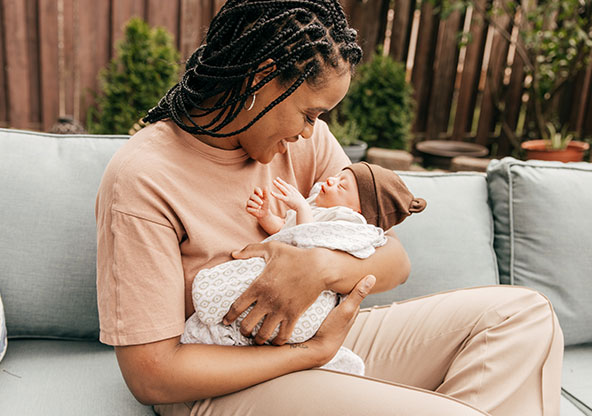
Welcoming your baby into the world marks the beginning of a deeply personal journey, one that invites you to nurture your newborn.
The time after your baby is born is often referred to as the "fourth trimester."
That's because your body and mind have just undergone a profound transformation. And you are still changing; you're going through physical changes, emotional adjustments, and hormonal fluctuations. You will also likely get much less sleep because of your baby's feeding schedule, which affects your emotions and hormones.
Postpartum is the period following the birth of a baby, typically lasting around six weeks, during which the mother's body undergoes various physical and hormonal changes to recover from childbirth.
What Should I Expect During Postpartum Recovery?
After childbirth, women are at an increased risk of developing blood clots, making postpartum monitoring for signs of deep vein clots essential for early detection.
Common postpartum conditions include:
- Postpartum depression (PPD): A mood disorder characterized by feelings of sadness, hopelessness, and fatigue that persist for weeks or months after childbirth.
- Postpartum anxiety: Excessive worry, fear, or nervousness that can interfere with daily functioning and often occurs alongside postpartum depression.
- Postpartum psychosis: A rare but severe mental illness characterized by hallucinations, delusions, and extreme mood swings. It requires immediate medical attention.
Postpartum blues: Also known as "baby blues," this is a milder and more common condition characterized by mood swings, irritability, and tearfulness, typically resolving within a few weeks after childbirth.
When to Contact a Healthcare Provider Postpartum
If you experience persistent shortness of breath, extreme fatigue, or swelling during or after pregnancy, seek medical care immediately, as these can be critical warning signs of postpartum cardiomyopathy.
Continue talking to your doctor about any physical or emotional concerns you have after giving birth.
If you have pain, mood changes, or trouble breastfeeding, don’t wait to ask for help. Getting help early can solve these problems effectively.
Healthcare providers closely monitor postpartum women for any potential risk factors or health problems that may increase their risk of complications during the recovery period.
Postpartum care provided by obstetricians, gynecologists, or primary care providers is crucial for supporting the health and well-being of new mothers during the early weeks after childbirth. Here are some tips:
- Be honest and open: Be honest about your symptoms, experiences, and feelings.
- Prepare questions in advance: Before your appointment, take some time to write down any questions or concerns you have about postpartum recovery.
- Ask for clarification: If you don’t understand something your health care provider says or if you have questions about a diagnosis, treatment plan, or medication, don’t hesitate to ask for clarification.
Postpartum Recovery Timeline
Weeks 0-2: Immediate Recovery
- Uterus shrinking back to normal size (may cause cramping, especially during breastfeeding)
- Perineal soreness, swelling, or stitches if you had a vaginal birth
- Incision pain and limited movement if you had a C-section
- Extreme fatigue due to birth recovery and newborn sleep schedules
- Hormonal shifts that may cause mood swings or "baby blues"
- Swelling in legs and feet from retained fluids
- Need for lots of rest, hydration, and help with daily tasks
Weeks 2-6: Early Healing
- Gradual improvement in soreness or incision discomfort
- Pelvic floor muscles remain weak; light pelvic floor exercises may begin
- Energy slowly improves but fatigue is still common
- Emotional adjustments to life with a newborn
- Postpartum checkup typically scheduled around 6 weeks
Weeks 6-12: Strength and Routine
- Pelvic floor strength slowly improves with exercises
- Core muscles may still feel weak, especially with abdominal separation
- Hormones continue shifting, which can affect mood, hair, and skin
- Sleep deprivation may still be significant
- Mental health changes may appear, including postpartum depression or anxiety
Months 3-6: Ongoing Recovery
- Energy level gradually improves as routines develop
- Pelvic floor strength continues rebuilding
- Menstrual cycles may return (earlier if not breastfeeding)
- Hair shedding may occur due to hormonal changes
- Physical endurance and exercise tolerance improve
- Emotional adjustments to parenthood become more stable for many people
Vaginal Birth vs. C-Section Postpartum Recovery
Key similarity: Both experiences involve postpartum recovery, including vaginal bleeding, hormonal changes, fatigue, and the needs for rest and support.
Recovery Topic |
Vaginal Birth Recovery |
C-Section Recovery |
| Type of Delivery | Usually 1-2 days | Usually 2-4 days |
| Pain Location | Perineal soreness, swelling, or tearing | Abdominal incision pain from surgery |
| Mobility | Walking and light activity often easier within hours | Movement is slower due to abdominal healing |
| Healing time | Often improves within about 4-6 weeks | Surgical recovery usually takes about 6-8 weeks |
| Hospital Stay | Usually 1-2 days | Usually 2-4 days |
| Wound care | Possible stitches from tearing or episiotomy | Surgical incision that must heal and be monitored |
Important Postpartum Recovery Tips
After having a baby, your body and mind need gentle care and attention to fully recover from pregnancy and childbirth.
After giving birth, your body requires recognition and recovery. This includes paying attention to the shrinking of the uterus, which may cause cramping, and the healing of any tears or incisions.
The early postpartum period is also a time of profound emotional adjustment. Hormonal imbalances, lack of sleep, and taking care of a baby can affect your mood and mental health.
Physical Recovery Postpartum
Vaginal birth, or vaginal delivery, can stretch and tear the tissues, causing soreness, pain, and discomfort after giving birth. Here are some tips to follow:
- Physical activity after recovering from giving birth can help heal and regain strength.
- Remember to stay hydrated by drinking plenty of water throughout the day.
- Stool softeners are commonly prescribed to postpartum women. This helps to alleviate constipation and promote smoother bowel movements during recovery.
Listen to your body and do low-impact exercises to help your recovery and improve your mood after giving birth.
Consider these activities designed to support your body's healing process:
- Yoga
- Walking
- Pelvic floor exercises
- Core exercises
- Low-impact cardio
- Strength training
Mental Recovery Postpartum
Taking care of your emotional health is important for your well-being and ability to care for your baby. Here are some ways you can support your mental health:
- Connect with loved ones and family members
- Join a postpartum support group
- Seek professional help
- Take time for mindfulness
Fueling Your Body and Mind Postpartum
Eating a well-balanced diet rich in nutrients supports postpartum recovery and overall health and well-being. Here are some good foods to include in a postpartum diet:
- Protein-rich foods: Lean meats, poultry, fish, eggs, dairy products. These are essential for tissue repair, muscle recovery, and childbirth.
- Fruits and vegetables: Incorporate a variety of colorful fruits and vegetables in your diet. These help provide essential vitamins, minerals, antioxidants, and fiber to support healing.
- Whole grains: Opt for whole grains such as brown rice, quinoa, oats, barley, whole wheat bread, and whole grain pasta. These provide complex carbohydrates for energy and fiber for digestive health.
Resting Postpartum
Amidst the whirlwind of new parenthood, it's important to carve out time for rest and recovery. Pay attention to your body, make sleep a priority, and ask loved ones for help so you can take breaks. Here are some ways to keep yourself rested postpartum.
- Establish a sleep routine: Create a consistent bedtime routine that signals to your body that it's time to wind down for sleep.
- Share nighttime duties: Get the help of your partner or other support persons to share nighttime feeding and care duties.
- Organize the sleep environment: Create a comfortable sleep environment that promotes relaxation and restful sleep for both you and your baby. Keep the room, dark, and quiet.
Rest and Recovery: Sleep
Amidst the whirlwind of new parenthood, it’s important to carve out time for rest and recovery.
Pay attention to your body, make sleep a priority, and ask loved ones for help so you can take breaks.
Lack of sleep is common after having a baby, but it’s important to get enough rest for your health.
Rest when your baby sleeps and ask for help from your partner, family, or friends to lighten your workload.
- Establish a sleep routine: Create a consistent bedtime routine that signals to your body that it’s time to wind down for sleep.
- Share nighttime duties: Get the help of your partner or other support persons to share nighttime feeding and care duties.
- Organize the sleep environment: Create a comfortable sleep environment that promotes relaxation and restful sleep for both you and your baby. Keep the room, dark, and quiet.
Seek Professional Support if Needed
If you consistently feel sad, anxious, or overwhelmed, get help from a mental health professional.
Common post-birth mood disorders require treatment. Seeking help for your and your family’s well-being is important.
Common postpartum conditions include:
- Postpartum depression (PPD): A mood disorder characterized by feelings of sadness, hopelessness, and fatigue that persist for weeks or months after childbirth.
- Postpartum anxiety: Excessive worry, fear, or nervousness that can interfere with daily functioning and often occurs alongside postpartum depression.
- Postpartum psychosis: A rare but severe mental illness characterized by hallucinations, delusions, and extreme mood swings. It requires immediate medical attention.
- Postpartum blues: Also known as “baby blues,” this is a milder and more common condition characterized by mood swings, irritability, and tearfulness, typically resolving within a few weeks after childbirth.
If you are experiencing a post-birth mood disorder, seek help and support.
Reach out to a healthcare provider: Schedule an appointment with a health care professional, such as an obstetrician, midwife, or mental health provider, who can evaluate your symptoms and recommend appropriate treatment.
Postpartum Recovery FAQs
How long do you bleed after giving birth?
Most people bleed for about 4-6 weeks after delivery. This bleeding, called lochia, usually starts heavy and red, then gradually becomes lighter and changes to pink, brown, or yellow before stopping.
How long should you wait postpartum to have intercourse?
Most health care providers recommend waiting about 6 weeks after birth before having intercourse. This gives your body time to heal and reduces the risk of infection or complications.
When do you start getting your period again after birth?
Your period may return as early as 6-8 weeks after delivery if you are not breastfeeding. If you are breastfeeding, it may take several months or longer for your menstrual cycle to return.
Is it harder to recover from a vaginal birth or C-section?
Recovery is different for everyone, but C-section recovery often takes longer because it is major abdominal surgery. Vaginal birth recovery may involve soreness or tearing but usually allows for quicker physical healing.
Adjusting to Parenthood
Postpartum health is a vital aspect of maternal well-being that requires attention and support.pThe postpartum period is a time of significant physical, emotional, and social changes for new mothers, and prioritizing your health during this time is crucial for your recovery and adjustment to parenthood. At CHRISTUS, we are here to support you throughout all stages of parenthood. From our birthing classes to our pediatric primary care, we are with you every step of the way.
